Description
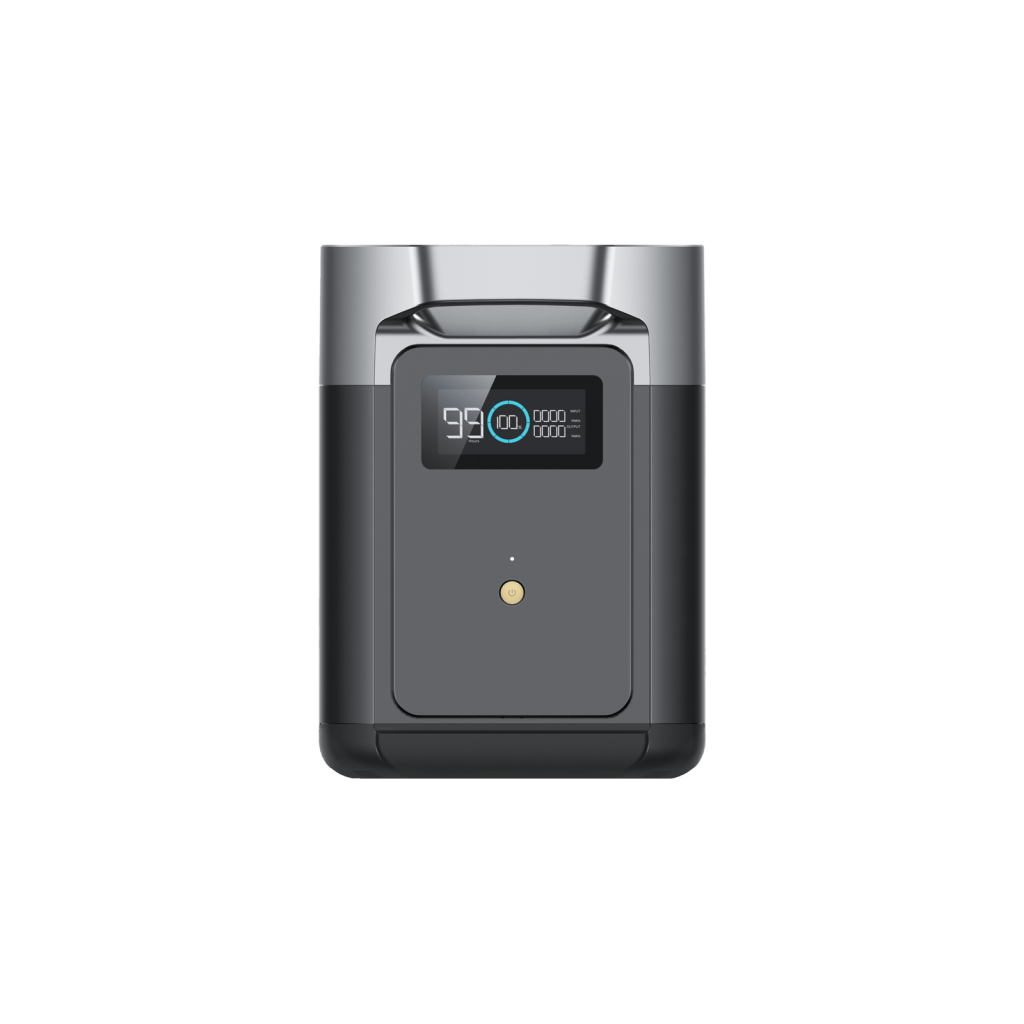
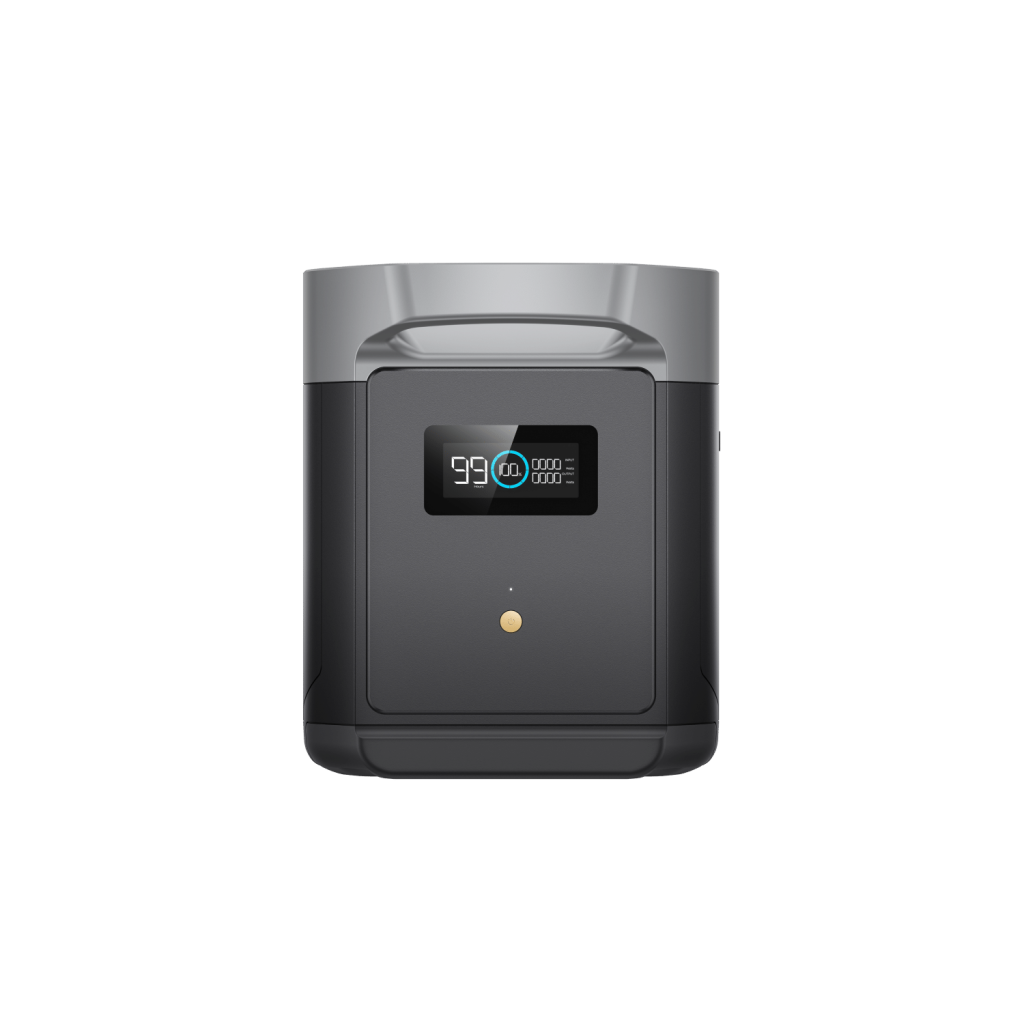
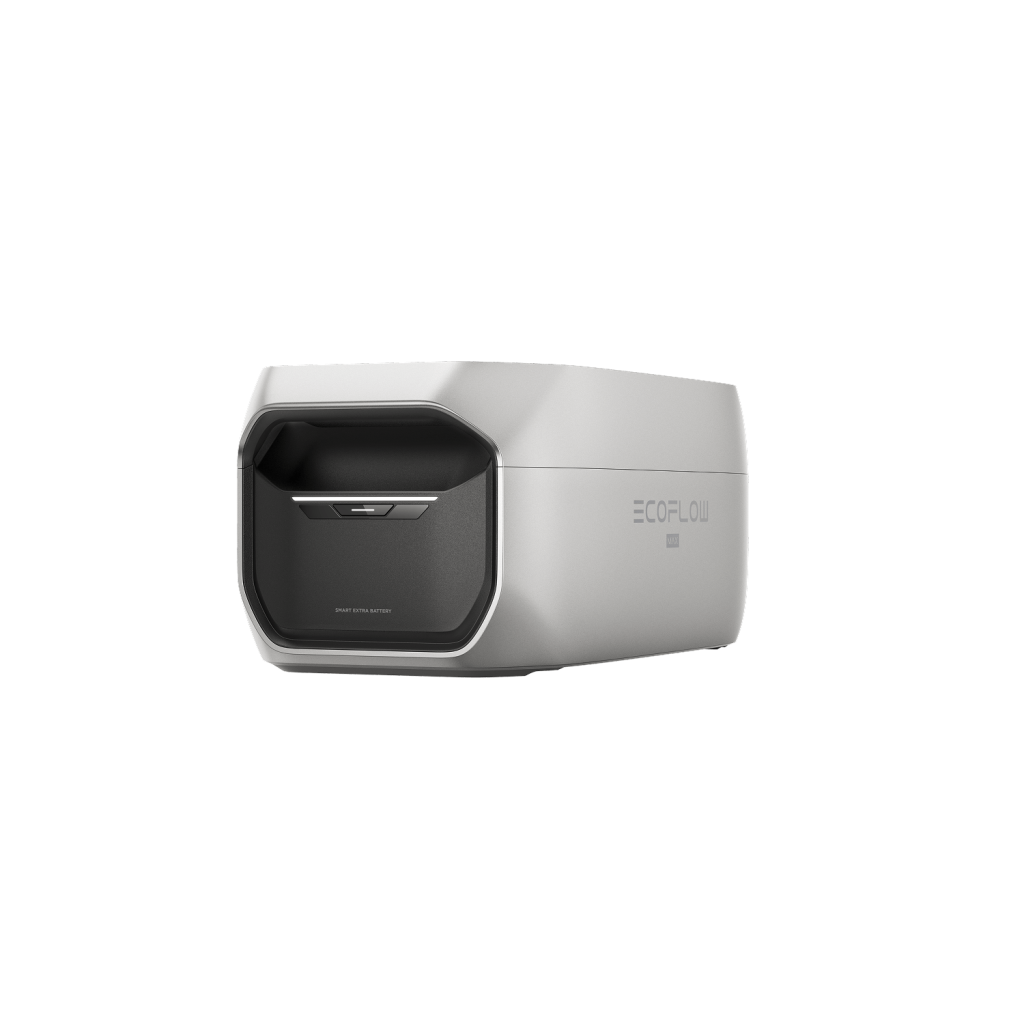
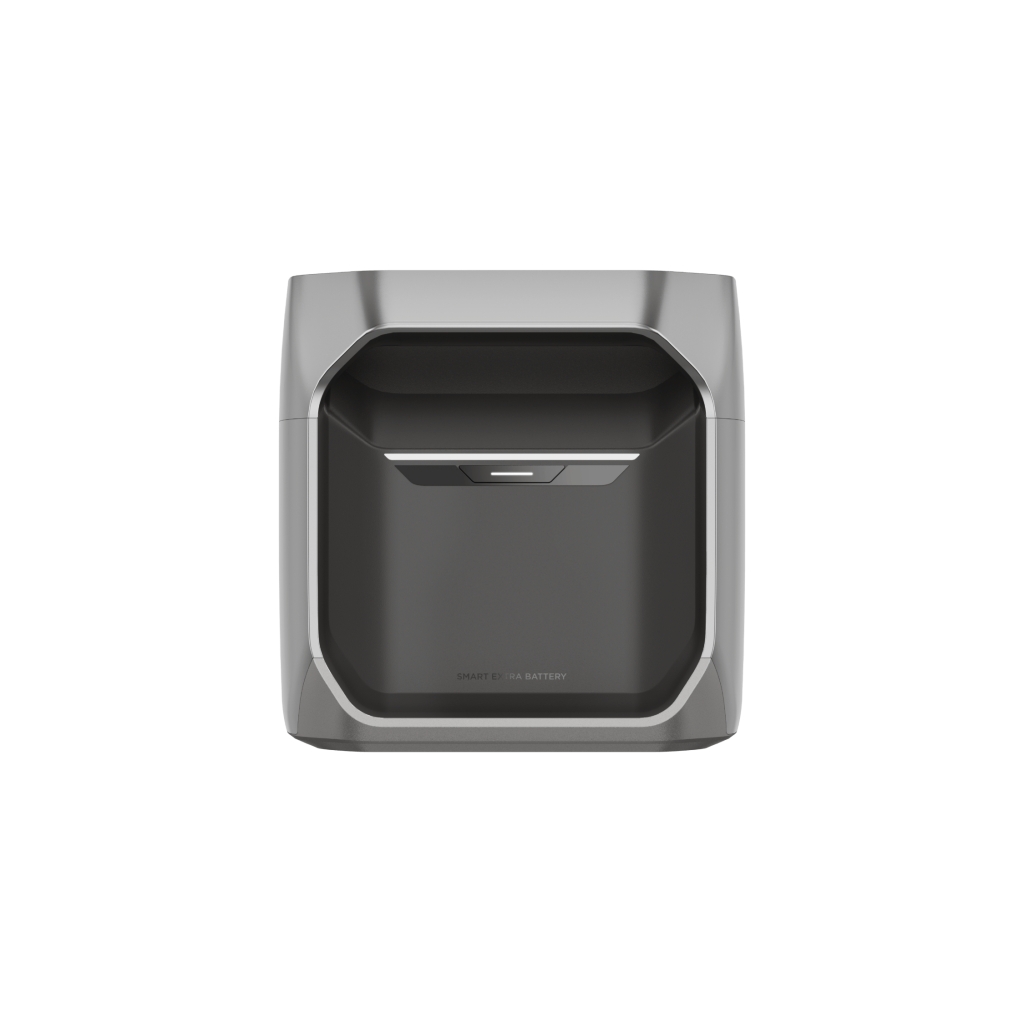
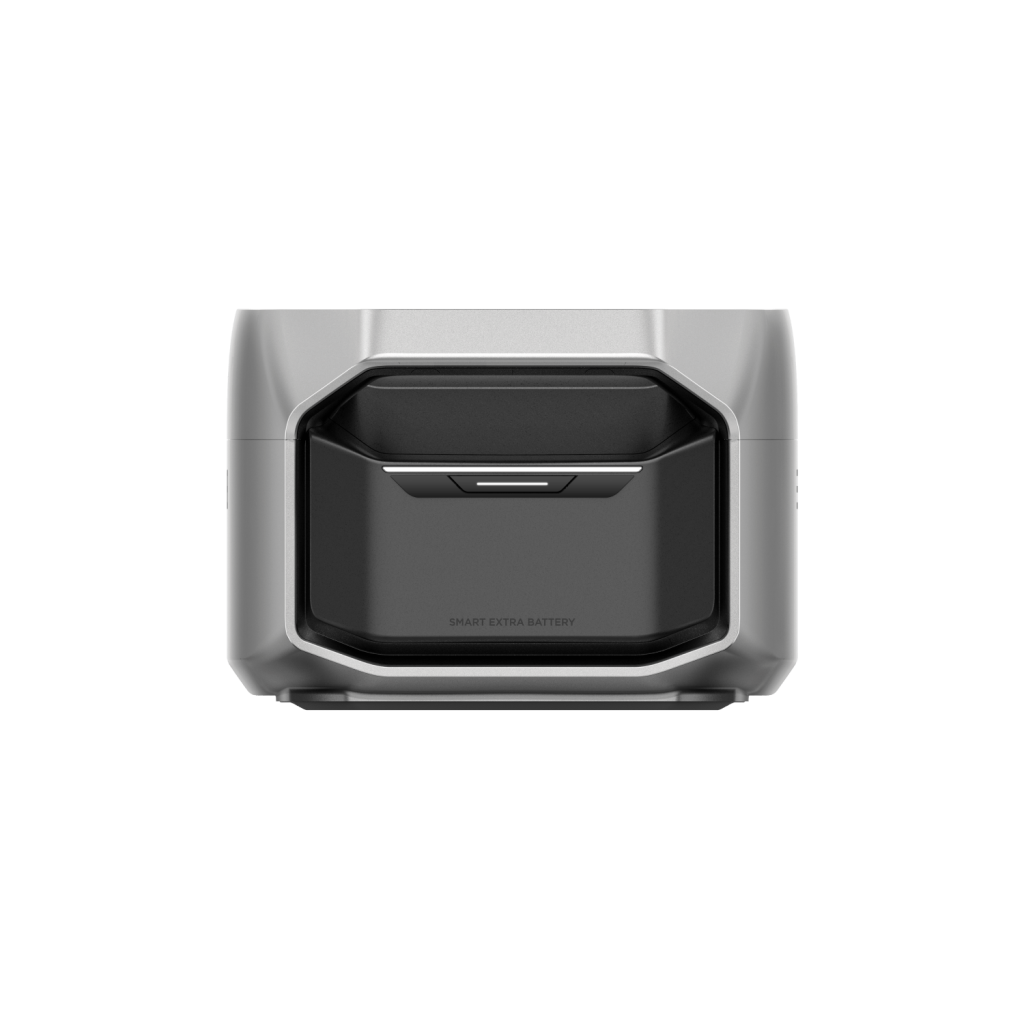
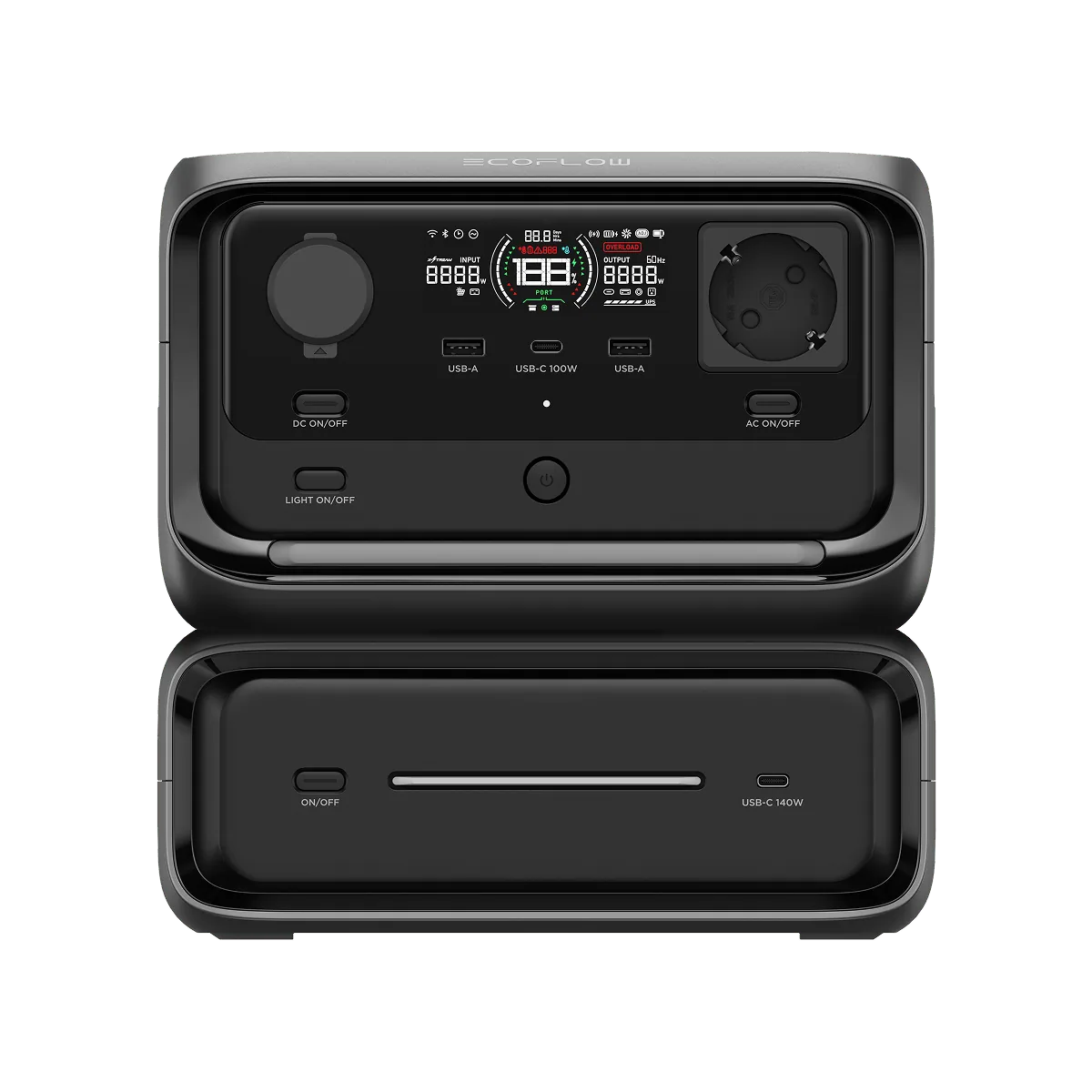
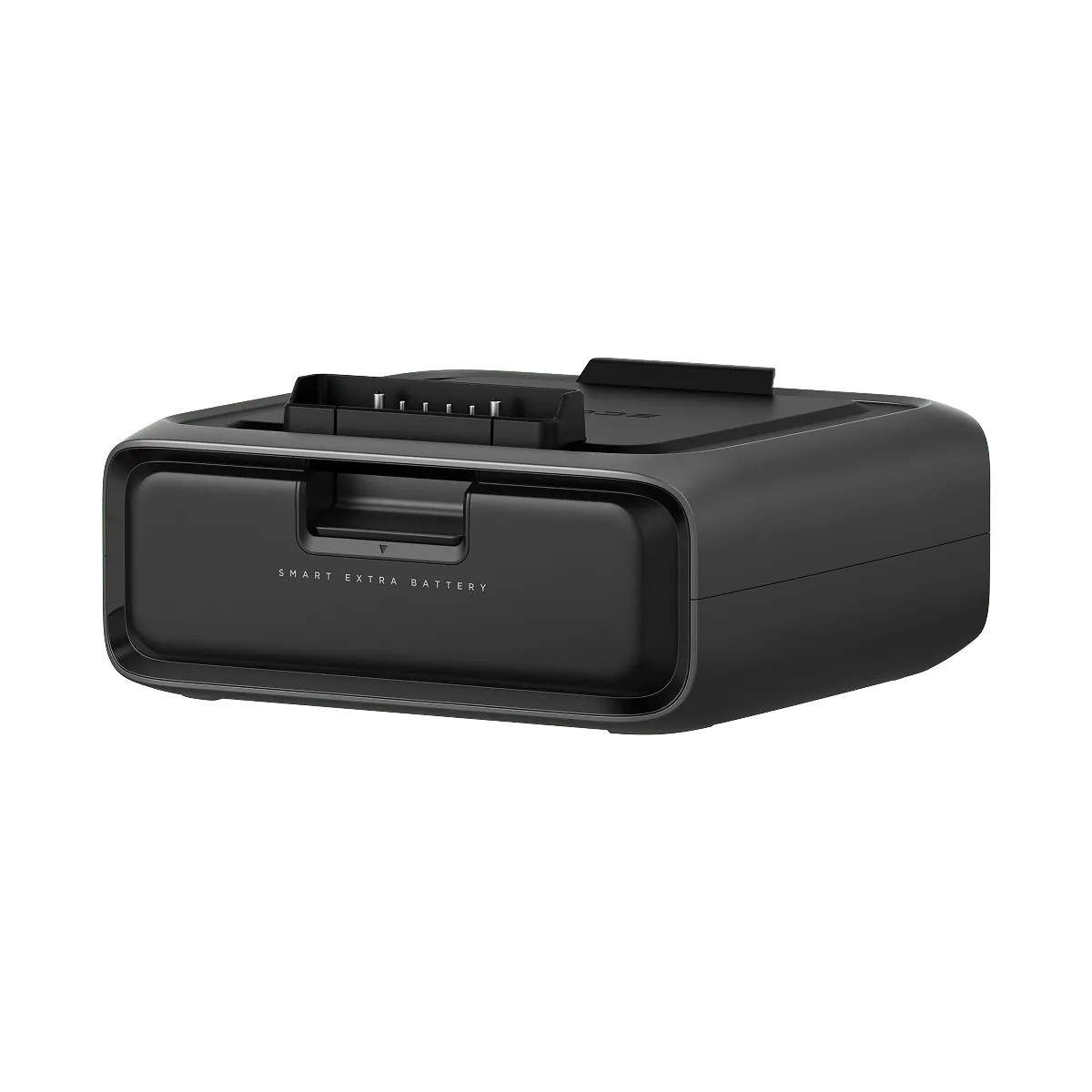
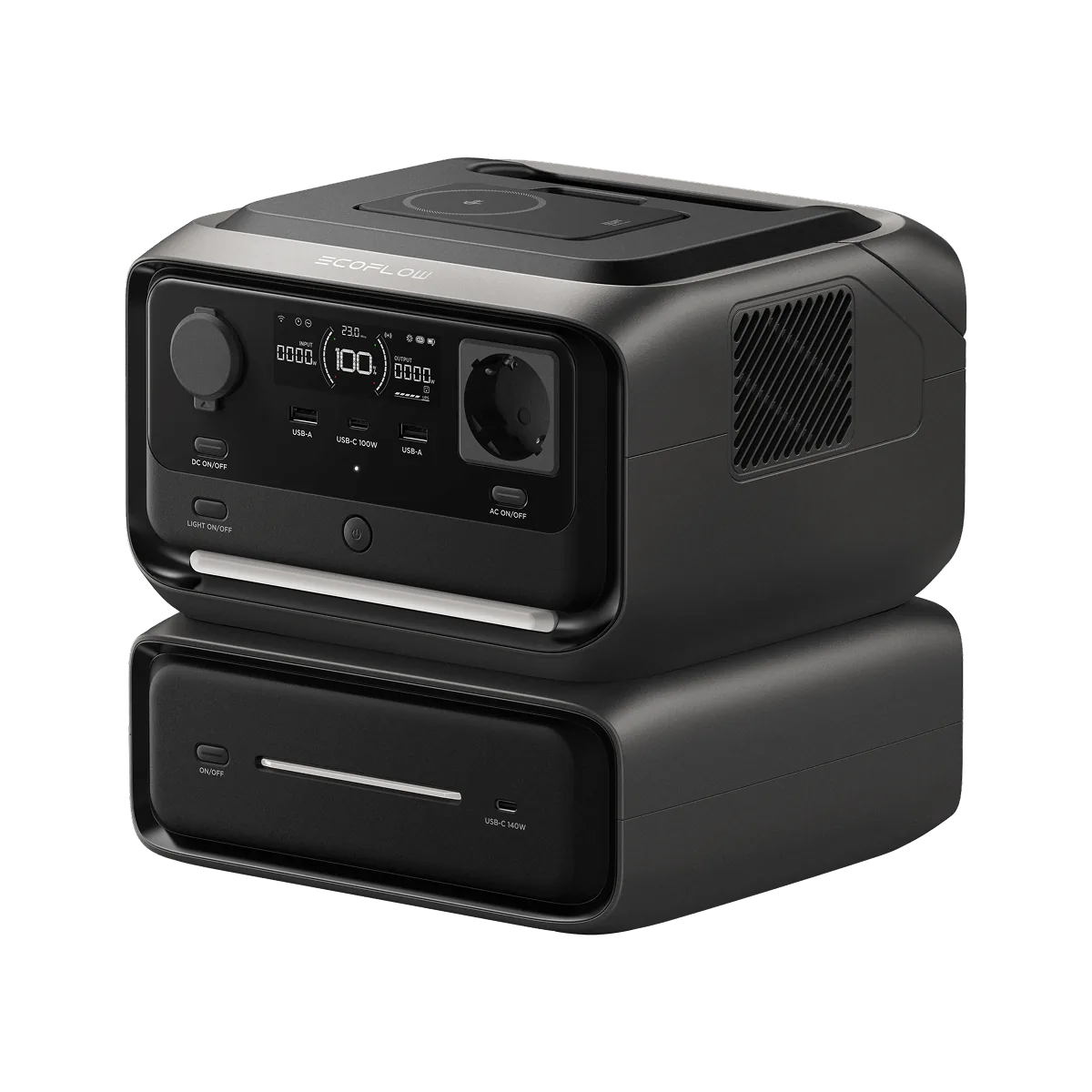
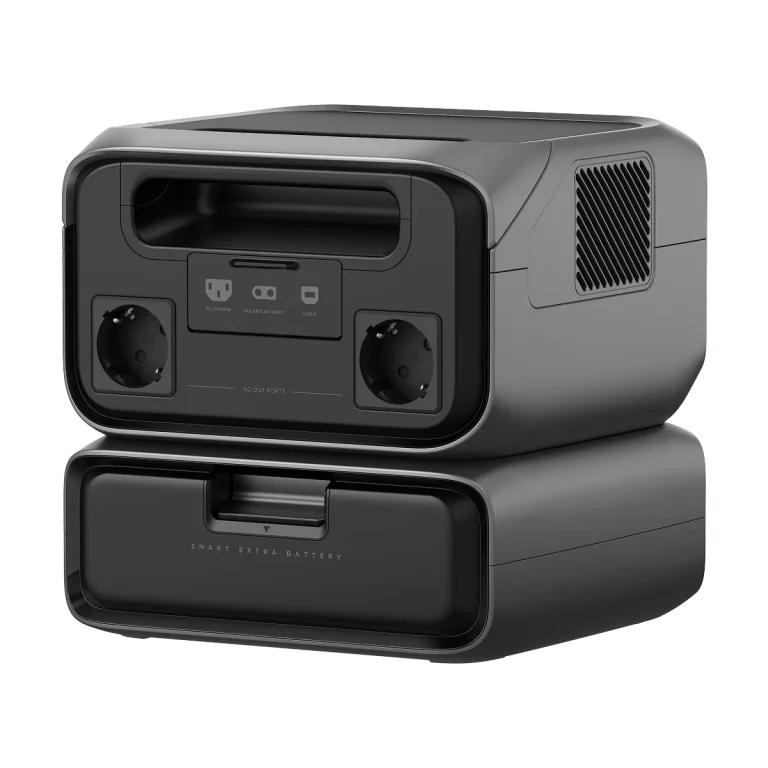
The RIVER 3 Plus Smart Extra Battery EB300 is EcoFlow’s official 286 Wh expansion battery for the RIVER 3 Plus and RIVER 3 Plus Wireless stations. The station is placed on it from above, the units connect through pogo pin contacts without any cable, and the energy reserve doubles to 572 Wh. If you want to buy an EcoFlow EB300 for a RIVER 3 Plus you already have, you end up with the same system that is sold as a set called the EcoFlow RIVER 3 Max.
This battery does not connect to the regular RIVER 3 and RIVER 2 series stations: they have no expansion connector, and EcoFlow’s manual describes the EB300 only paired with the RIVER 3 Plus. In return it has its own 140 W USB-C port and can work separately as a large power bank.
What the EB300 gives a RIVER 3 Plus owner
Doubled capacity: 286 + 286 Wh
The RIVER 3 Plus’s own capacity is 286 Wh, and the EB300 adds exactly as much. By EcoFlow’s calculations, a 10 W travel router runs from the station alone for about 20 hours, and together with the battery for roughly 40.7 hours.
Installation in a few seconds
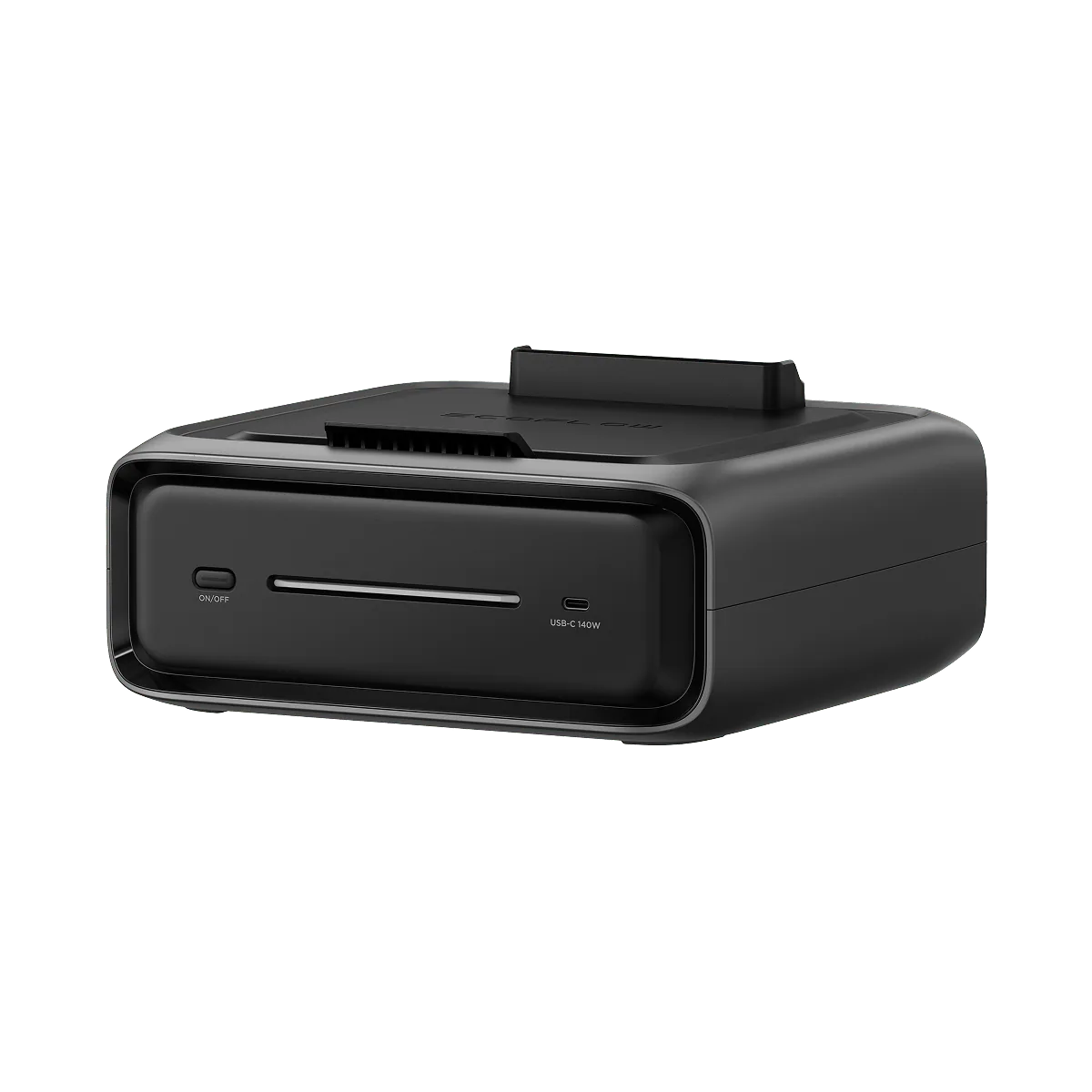
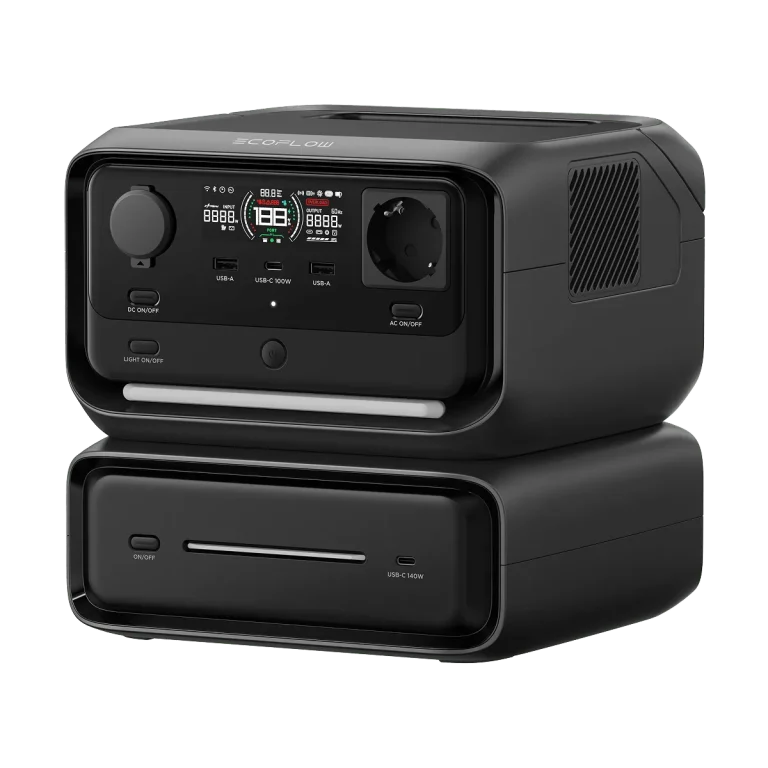
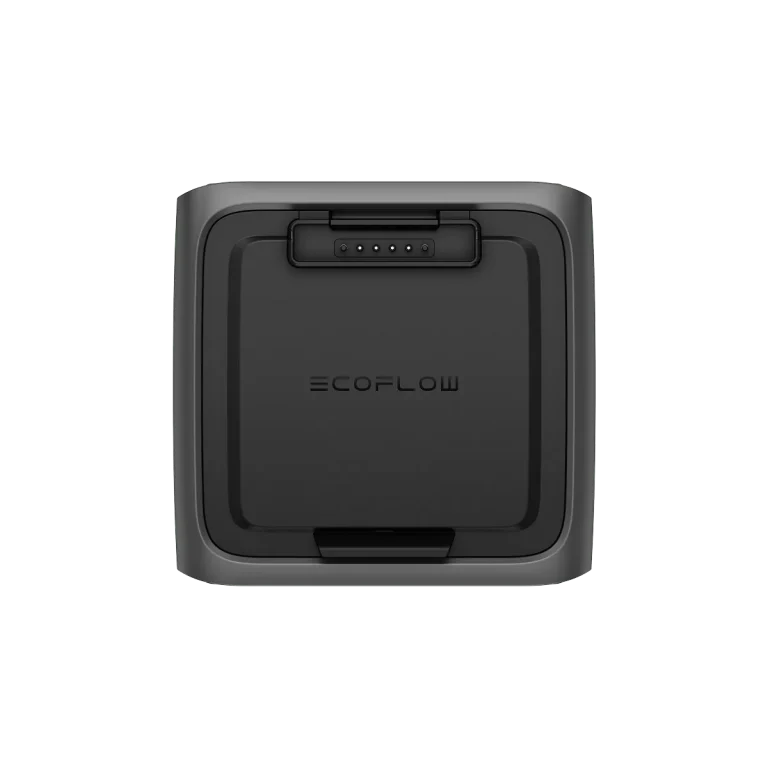
On the top of the battery there are pogo pin contacts and a guide protrusion, and on the bottom of the station a matching groove. The station is simply lowered onto the battery, and after it latches an icon of the extra unit appears on its display. To separate them, press the release button on the battery.
A separate 140 W USB-C
The USB-C port on the front panel of the EB300 works both ways: up to 140 W output and as much input. From it you can charge a laptop, smartphone or camera even when the station has stayed at home.
3.5 kg and 11 cm high
The EB300 measures 234 × 224 × 110 mm, so its base almost matches the station. Together the RIVER 3 Plus with the battery weigh about 8.2 kg: a 4.7 kg station and a 3.5 kg battery.
LiFePO4 rated for 3000 cycles
Inside are the same LFP cells as in the station. According to the manufacturer, after 3000 charge cycles they keep over 80% of the original capacity.
Compatibility
EcoFlow’s manual states directly: one RIVER 3 Plus Smart Extra Battery connects to a RIVER 3 Plus, that is, either an EB300 or an EB600. The station does not support two batteries at once.
| Station | Own capacity | With the EB300 |
|---|---|---|
| RIVER 3 Plus | 286 Wh | 572 Wh |
| RIVER 3 Plus Wireless | 286 Wh | 572 Wh |
The Wireless version differs by a removable RAPID power bank and wireless charging on the lid, and its battery connector is the same. On the RIVER 3 Plus Wireless page EcoFlow offers it in a bundle with the Extra Battery 300 specifically.
Does not fit: RIVER 3 (245 Wh), RIVER 3 UPS, RIVER 2, RIVER 2 Max, RIVER 2 Pro and DELTA stations. If you have an EcoFlow RIVER 3 Max, it already has an EB300 battery, so a second cannot be added. A larger reserve in that case comes from replacing it with an EB600 battery.
According to the manual, the box contains only the battery itself and documentation. No cable is needed to connect to the station.
How much longer the RIVER 3 Plus will run
Of the battery’s 286 Wh, about 85% reaches the devices through the station’s inverter, that is about 240 Wh. Through USB the losses are smaller. Below are EcoFlow’s estimates for the station alone and together with the EB300:
| Device | RIVER 3 Plus | + EB300 |
|---|---|---|
| Travel router, 10 W | 20.4 h | 40.7 h |
| Drone charging, 40 W | 5.8 h | 11.6 h |
| Car fridge, 60 W | 3.9 h | 7.8 h |
| Game console, 100 W | 2.2 h | 4.5 h |
| Fridge, 120 W | 1.9 h | 3.8 h |
| Computer, 600 W | 20 min | 42 min |
These are guides, not guaranteed figures: a household fridge switches its compressor on cyclically, so the real time depends on the model, the room temperature and how often the door is opened. For a 60 W laptop from USB-C the pair of station and battery will give, by our estimate, several full charges.
How to connect and use it
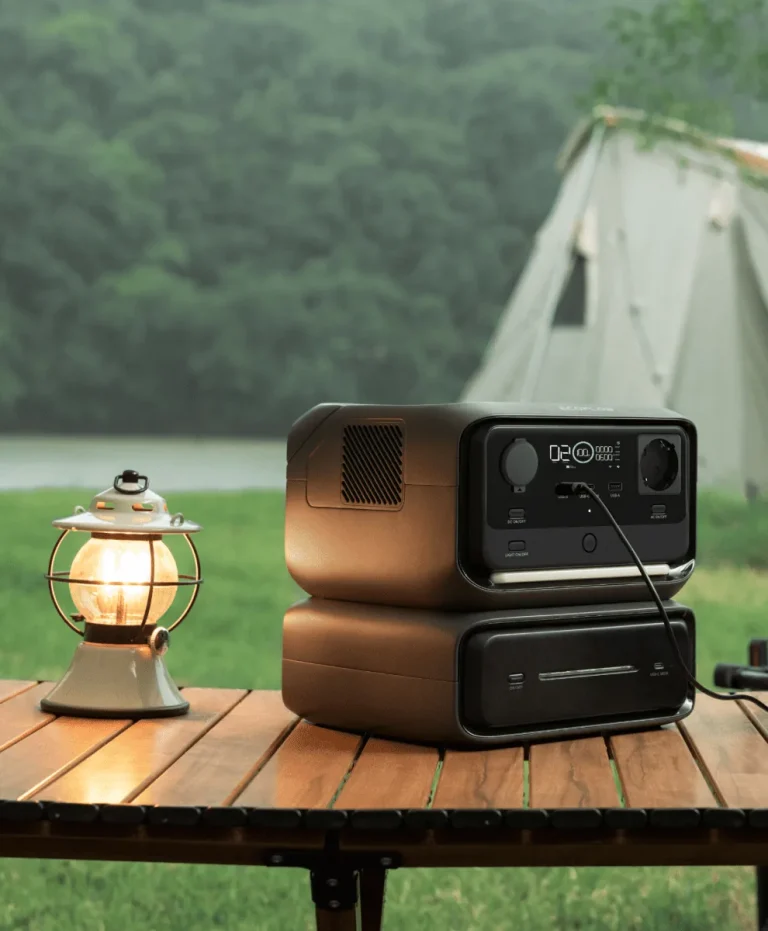
Both units must be switched off while connecting. Then remove the protective cover from the connector, align the groove on the bottom of the RIVER 3 Plus with the protrusion on the battery and lower the station. The EB300 icon on the station’s display will indicate a successful installation.
After that one power button controls both units: a short press switches them on together, holding for 3 seconds switches them off. The station’s ports and the battery’s USB-C work at the same time, and the system can be charged through the input of either of the two units. If the charge level differs greatly, the less full unit charges first, and the fuller one discharges first.
Separately from the station the battery switches on with a short press of the button and off by holding for 3 seconds. The light strip at the front shows the charge level: if part of the strip flashes, the battery is charging, and if all of it flashes, an error has occurred.

For long-term storage EcoFlow advises discharging the battery to 0% and charging it to 60% once every 3 months. It can be stored at a temperature from -10 to 45 °C and charged from 0 to 45 °C. The manual forbids transporting the battery by air.
A battery or a more powerful station
The EB300 adds energy but not power. The RIVER 3 Plus remains a 600 W station, and X-Boost up to 1200 W is intended for heating appliances. A 2 kW electric kettle or a powerful microwave will not work from it either with the battery or without.
If you do not have the station yet, it is simpler to take the EcoFlow RIVER 3 Max right away: it is the same pair of RIVER 3 Plus and EB300 in one set. When 572 Wh is not enough, look at the 858 Wh EcoFlow RIVER 3 Max Plus, where the larger battery works. And if the RIVER 3 Plus is generally enough for you and you only want a reserve for a weekend or a long evening, the EB300 will be the lightest option.
Who it suits and who it does not
It suits:
- owners of a RIVER 3 Plus or RIVER 3 Plus Wireless who lack hours of run time at night or on a hike;
- those who need a separate power bank with a 140 W USB-C for a laptop;
- those for whom weight matters: the EB300 is 2.3 kg lighter than the EB600.
It will not suit:
- owners of a RIVER 3, RIVER 3 UPS or any RIVER 2 model — there is nowhere to connect it;
- if an extra battery is already under the station: the RIVER 3 Plus does not accept a second;
- if your devices need over 600 W, since the battery does not raise the station’s power.
Frequently asked questions about the EB300
Can the EB300 be placed under a regular RIVER 3?
No. The RIVER 3 has no expansion battery connector, and EcoFlow makes the EB300 only for the RIVER 3 Plus and RIVER 3 Plus Wireless.
Can the EB300 and EB600 be connected at the same time?
No, the station accepts only one extra battery. The maximum of the system is 858 Wh, reached only with the EB600.
Does the EB300 charge without a station?
Yes, through its own USB-C port of up to 140 W, for example from a laptop power supply with Power Delivery support. By our estimate, from zero this will take at least 2–2.5 hours.
Does the battery have 230 V outlets?
No, on its own it gives only USB-C. Schuko outlets are available only when the battery is connected to a RIVER 3 Plus.
Does the battery speed up the station’s charging?
No, the station’s input power does not change. So filling 572 Wh takes longer than the 286 Wh of the station alone.
Can the EB300 be taken on a plane?
No. Among the safety rules in the EB300 manual a ban on air transport is a separate item.
Summary
The EB300 is the simplest way to double the energy reserve of a RIVER 3 Plus and get a separate 140 W USB-C for trips. If you have decided to buy an EcoFlow EB300, add it to your cart above, and for questions about compatibility with your station write to us through the contacts.